

Frequently Asked Questions
Prevention
-
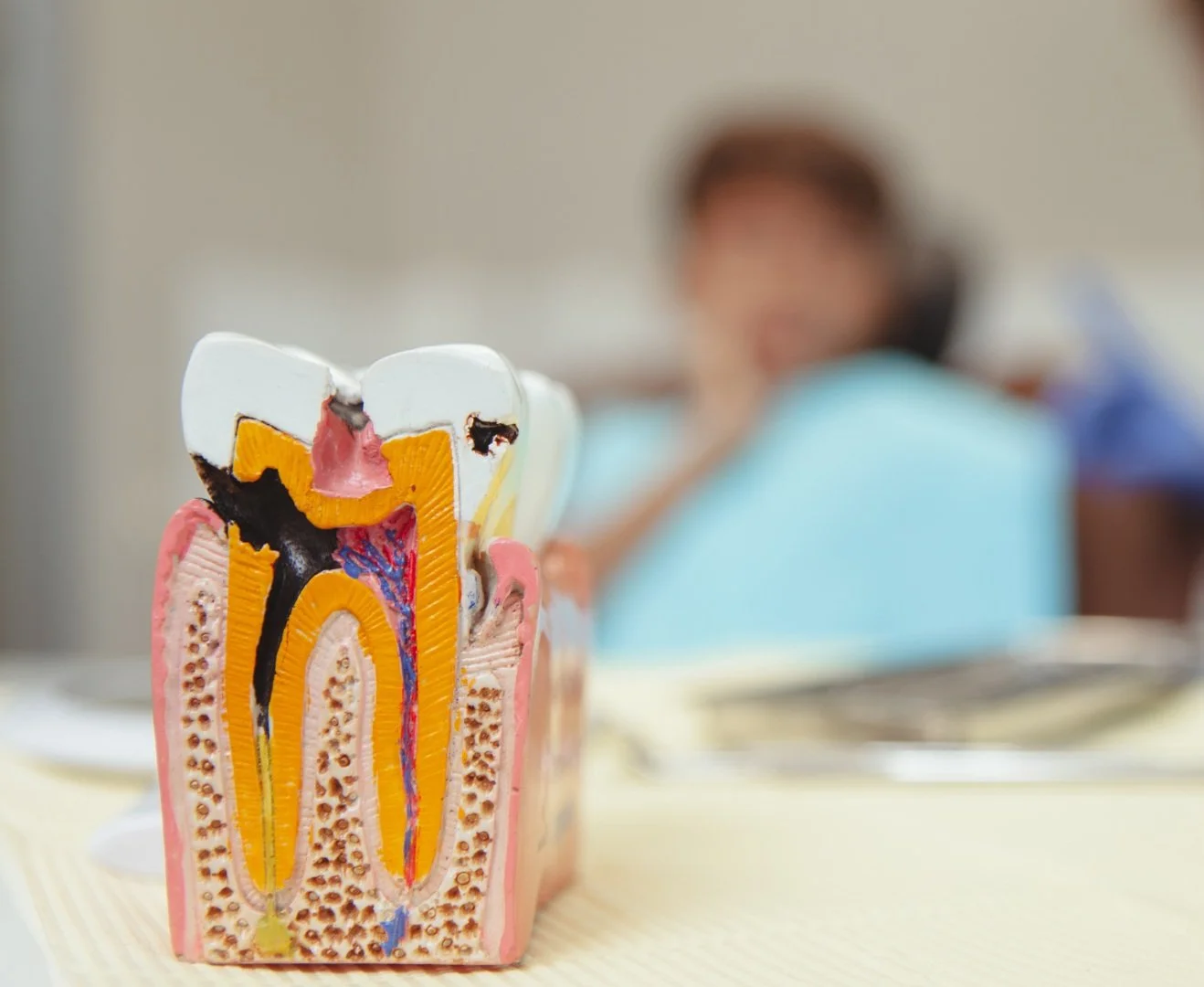
Preventative dental care refers to measures taken to maintain oral health and prevent dental problems before they occur. This includes regular check-ups, cleanings, fluoride treatments, and practicing good oral hygiene at home.
-
It’s generally recommended to have a dental check-up every six months. However, your dentist may suggest more frequent visits based on your individual oral health needs. Regular visits help catch issues early and keep your teeth and gums healthy.
-
Preventing cavities involves maintaining good oral hygiene. Brush twice a day with fluoride toothpaste, floss daily, limit sugary foods and drinks, and visit your dentist regularly for cleanings and check-ups. Using dental sealants and fluoride treatments can also help protect teeth from decay.
-
Preventing gum disease involves maintaining good oral hygiene practices. Brush your teeth twice a day, floss daily, and visit your dentist regularly for cleanings. Avoiding tobacco and eating a balanced diet can also help maintain gum health.
-
Dental sealants are a protective coating applied to the chewing surfaces of back teeth (molars) to prevent cavities. They are especially beneficial for children and teenagers, but adults without decay in these areas may also consider them for added protection.
-
Bleeding gums can be a sign of gum disease or other oral health issues. If you notice bleeding, improve your oral hygiene routine and schedule an appointment with your dentist for a thorough examination and cleaning.
-
To maintain good oral hygiene, brush your teeth twice a day with fluoride toothpaste, floss daily, and use an antibacterial mouthwash. Limit sugary foods and drinks, and stay hydrated to promote saliva production, which helps protect your teeth.
-
A balanced diet is crucial for maintaining good dental health. Foods high in sugar can lead to cavities, while those rich in vitamins and minerals, such as fruits, vegetables, and dairy products, promote strong teeth and gums. Drinking plenty of water, especially fluoridated water, is also beneficial.
-
Yes, stress can impact your oral health. It may lead to teeth grinding (bruxism), jaw pain, and neglect of oral hygiene. Finding ways to manage stress through relaxation techniques, exercise, and regular dental visits can help mitigate these effects.
-
During a dental cleaning, a hygienist will remove plaque and tartar from your teeth using specialised tools. They will also polish your teeth to remove surface stains and may provide fluoride treatment. Your dentist will then perform an examination to check for any dental issues.
Children Dental Care
-
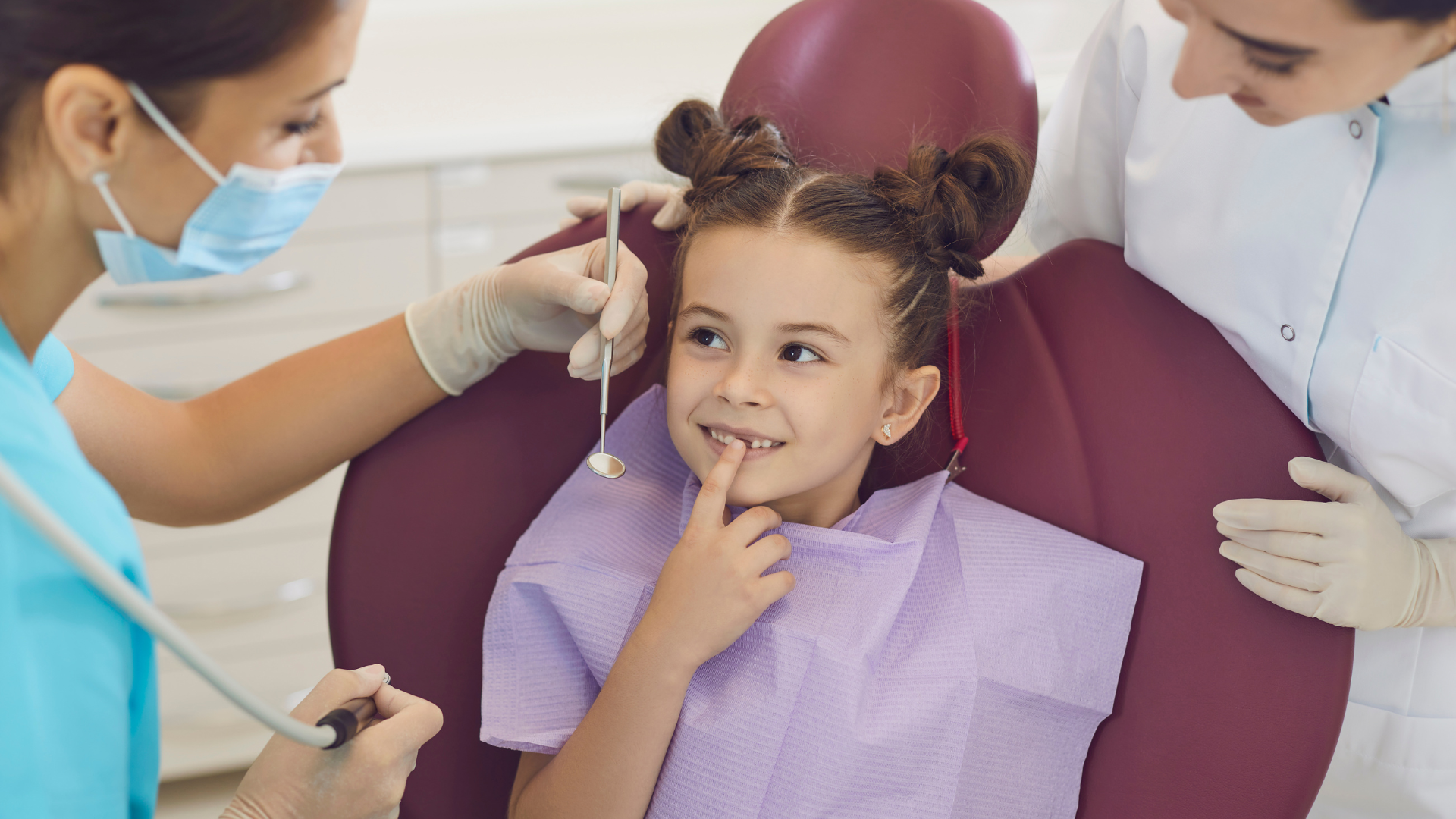
It’s recommended that your child has their first dental visit by age one or when their first tooth appears. Early visits help establish good dental habits and allow the dentist to monitor your child’s oral development.
-
Encourage your child to brush their teeth twice a day with fluoride toothpaste. Make brushing fun by using songs or timers, and lead by example—show them that you prioritise your own dental care!
-
Children should visit the dentist every six months for routine check-ups and cleanings. However, if your child has specific dental concerns, the dentist may recommend more frequent visits.
-
If you suspect your child has a cavity, schedule an appointment with their dentist as soon as possible. The dentist will assess the cavity and recommend appropriate treatment, which may include fillings to restore the tooth.
-
Fluoride treatments help strengthen tooth enamel and can prevent cavities. They are especially beneficial for children, but adults can also benefit from them. Discuss with your dentist if fluoride treatments are right for you.
-
Prepare your child by explaining what to expect during the dental visit in a positive way. Consider reading books or watching videos about going to the dentist. Praise your child afterward and consider rewarding them for their bravery to make future visits easier.
-
Encourage healthy foods like fruits, vegetables, whole grains, and dairy products, which help strengthen teeth. Limit sugary snacks and drinks, as they can contribute to cavities. Opt for water instead of sugary beverages when possible.
-
Thumb sucking is common among infants and toddlers, but if it continues past the age of 4, it may affect the alignment of their teeth and the development of their bite. Encourage positive alternatives and talk to your dentist if you have concerns.
-
In a dental emergency, such as a knocked-out tooth or severe toothache, contact your dentist immediately. For a knocked-out tooth, try to place it back in the socket if possible, or keep it moist in milk. Time is crucial in these situations, so seek help right away!
Cosmetic Info
-
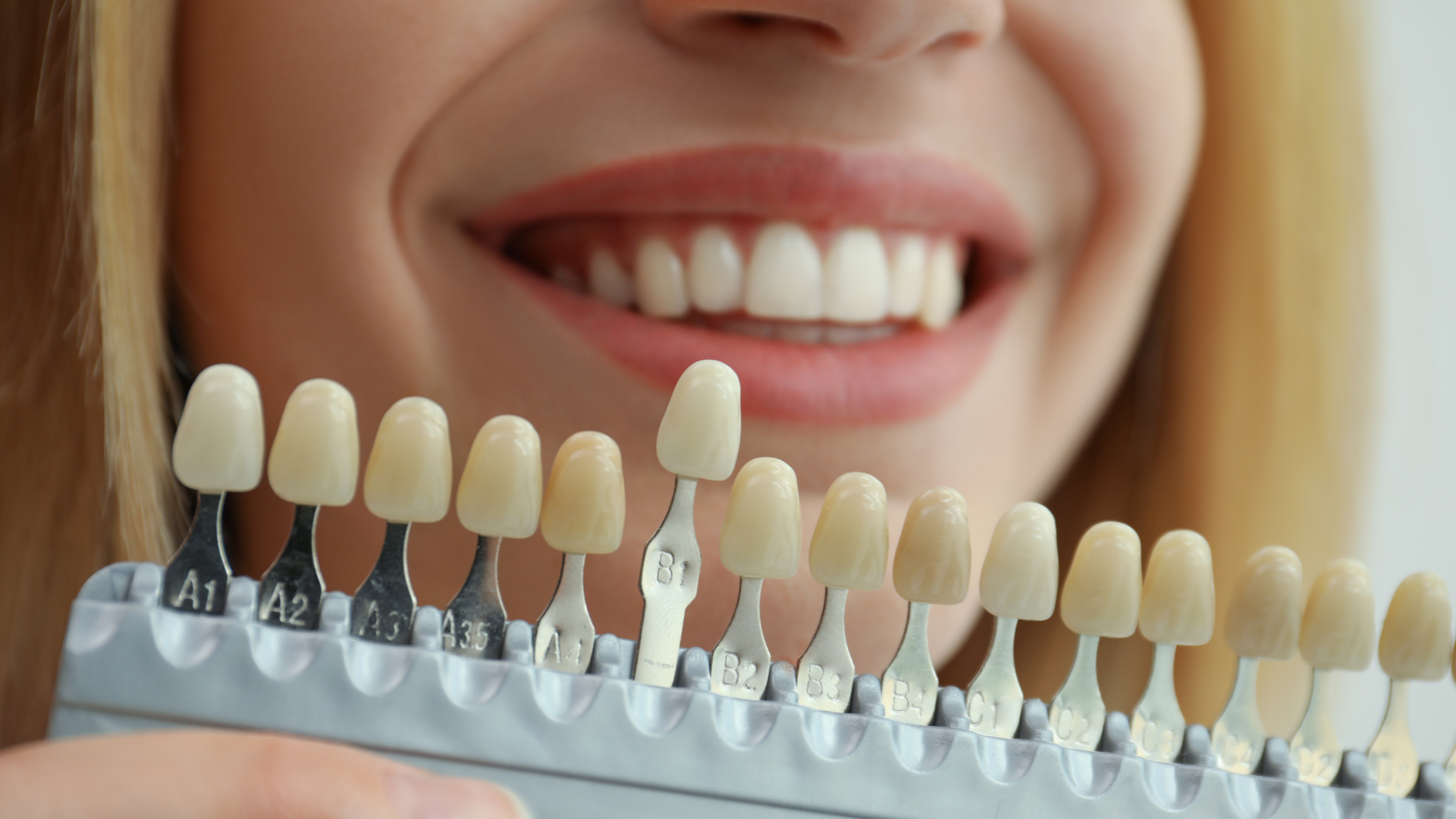
Cosmetic dentistry focuses on improving the appearance of your teeth, gums, and smile. It incorporates a variety of procedures, including teeth whitening, veneers, crowns, and bonding, aimed at enhancing your overall dental aesthetics.
-
Dental veneers are thin shells of porcelain or composite resin that are bonded to the front surface of your teeth. They are used to correct issues like discoloration, chips, gaps, or misalignment, providing a natural-looking enhancement to your smile.
-
Teeth whitening is generally safe when performed under the supervision of a dental professional. Over-the-counter products can sometimes lead to uneven results or tooth sensitivity. Consult your dentist to find the best whitening options for you, such as the take-home kits that we provide.
-
The longevity of cosmetic dental treatments varies based on the type of procedure and your oral care routine. For instance, teeth whitening results can last from several months to a few years, while veneers can last 10 years or more with proper care. Your dentist can provide specific recommendations for maintaining results.
-
Most cosmetic procedures are minimally invasive and are associated with little discomfort. Your dentist will ensure you are comfortable during the procedure, and local anaesthesia may be used when necessary. Some sensitivity may occur after treatment, but it is typically manageable.
-
Yes, many cosmetic procedures can improve oral health alongside aesthetics. For example, correcting misaligned teeth can make them easier to clean and reduce the risk of cavities and gum disease. Your dentist will discuss the health benefits of any cosmetic treatments you are considering.
-
Dental crowns are caps placed over damaged or weakened teeth to restore their shape, size, and strength. They can improve the appearance of your smile while providing protection and support to compromised teeth due to decay, fractures, or after root canal treatment.
-
Choosing the right cosmetic treatment depends on your specific goals and dental condition. Schedule a consultation with your dentist to discuss your desires, and they will recommend appropriate options tailored to your needs, preferences, and budget.
-
There are no strict age restrictions for cosmetic dentistry, but it is essential that patients have fully developed adult teeth for certain procedures like veneers and braces. Your dentist will evaluate your dental health and provide suitable options for your age and situation.

Emergencies
-
A dental emergency involves any situation that requires immediate attention to relieve pain, prevent further injury, or save a tooth. Common emergencies include severe toothaches, knocked-out teeth, broken or chipped teeth, lost fillings, and injuries to the gums.
-
If you have a toothache, rinse your mouth with warm water and floss gently to remove any debris. Avoid placing heat on the affected area. Over-the-counter pain relievers can help manage discomfort, but it's essential to schedule an appointment with your dentist as soon as possible to identify the underlying cause.
-
If a tooth is knocked out, handle it by the crown (not the root) and rinse it gently with water if it's dirty. Try to place the tooth back in its socket if possible. If that’s not feasible, store it in a container with milk or saline solution and get to a dentist within 30 minutes for the best chance of reattachment.
-
For a broken or chipped tooth, rinse your mouth with warm water and apply a cold compress to reduce swelling. Avoid using the affected tooth for biting or chewing. Contact your dentist promptly to determine the best treatment option, which may include bonding, a crown, or other procedures.
-
If you lose a filling or crown, avoid chewing on that side of your mouth. You can temporarily cover the tooth with dental cement (available at pharmacies) until you see your dentist. Contact your dentist as soon as possible to discuss a replacement or repair.
-
Preventing dental emergencies involves maintaining good oral hygiene, wearing a mouthguard during sports, avoiding hard foods, and attending regular dental check-ups. These practices can help identify and address potential issues before they become emergencies.
-
Bleeding gums can be a sign of gum disease or injury. Rinse your mouth with warm salt water and avoid irritants like tobacco. If the bleeding persists or is accompanied by pain, contact your dentist for further evaluation and treatment.
-
Yes, many dental emergencies require immediate attention to prevent further damage or complications. Delaying treatment can lead to more severe issues, such as infections or permanent tooth loss.
-
Facial swelling can indicate an infection or abscess. Apply a cold compress to reduce swelling and seek dental care immediately, as untreated infections can spread and lead to serious complications.
-
For any dental emergencies, please call our office immediately. We offer emergency appointments to provide you with the care you need as quickly as possible. Out of hours call 111.
-
The practice is generally open on Saturdays from 10:00am – 1:30pm, but clinician availability varies. Some Saturdays a dentist may be on-site, and services (NHS, private, or other care) depend on which clinician is present. Please call the practice in advance to confirm availability.
-
If you need urgent dental care during opening hours, please call the practice. Our team will advise you on the next available appointment. Out of hours, call 111.
-
Please call the practice in advance to confirm which services and clinicians are available. This ensures we can provide the most appropriate care for your needs.

Miscellaneous
-
Bad breath can result from poor oral hygiene, food, or underlying health issues. Improve your oral care routine, drink plenty of water, and consider using mouthwash. If bad breath persists, consult your dentist to rule out any dental problems.
-
Dental sealants are thin, protective coatings applied to the chewing surfaces of back teeth to prevent cavities. They are particularly beneficial for children but can also be useful for adults at higher risk for decay. Your dentist can assess whether sealants are appropriate for you or your child.
-
Yes, there are various over-the-counter teeth whitening products available for home use, such as whitening strips and gels. However, for the safest and most effective results, it’s best to consult your dentist for professional whitening options tailored to your needs.
-
Good oral health is linked to overall health, as poor dental hygiene can lead to serious health conditions, including heart disease, diabetes, and respiratory issues. Maintaining oral health helps prevent infections and supports your overall well-being.
-
Choose a toothbrush with soft bristles to avoid damaging your gums. Consider your preferences between manual and electric brushes. An electric toothbrush can provide more effective cleaning for some individuals. Ensure it fits comfortably in your hand and allows you to reach all areas of your mouth easily.
-
Yes, it is safe and recommended to continue regular dental visits during pregnancy. Inform your dentist about your pregnancy, as some treatments may need to be adjusted. Maintaining good oral health is particularly important during this time due to hormonal changes that can affect your gums.
-
X-rays allow your dentist to see what's happening below the surface of your teeth and gums. They help detect problems like cavities, impacted teeth, bone loss, or other hidden issues that aren’t visible during a regular examination. Your dentist will only recommend X-rays when necessary, considering your oral health history.
-
Teeth grinding, or bruxism, can be managed by using a custom mouthguard provided by your dentist. Stress management, avoiding caffeine before bed, and maintaining a regular sleep routine may also help. Consult your dentist if you suspect you grind your teeth, as prolonged grinding can lead to serious dental issues.

Orthodontics
-
Orthodontics is a branch of dentistry that focuses on diagnosing, preventing, and treating dental and facial irregularities, such as misaligned teeth and jaws. Orthodontic treatment can improve oral health, enhance aesthetics, and boost self-confidence by creating a healthy, aligned smile.
-
Although it’s more traditional in the UK to start orthodontic treatment for children after all adult teeth are through, early diagnosis can allow some patients to benefit from having a simple treatment whilst they are still growing to help prepare their mouth for the bigger adult teeth.
If you want to see if your child is likely to need future brace treatment you don’t need to rush them for an assessment. It’s probably best to wait until they are at least 8 years old.
-
Common orthodontic treatments include traditional metal braces, ceramic braces, lingual braces (placed behind the teeth), and clear aligners (such as Invisalign). The appropriate treatment depends on individual needs and the severity of the dental issues.
-
The duration of orthodontic treatment varies depending on the complexity of the case and the type of treatment. Generally, treatment can last anywhere from 6 months to 3 years. Your orthodontist will provide a more accurate estimate during the consultation.
-
Some discomfort is normal after getting braces or after adjustments, but it usually subsides within a few days. Over-the-counter pain relievers can help manage any discomfort. Your orthodontist will provide guidance on how to ease any pain you may experience.
-
Proper care for braces includes maintaining good oral hygiene by brushing your teeth at least twice a day and flossing daily. You should also avoid hard, sticky, or sugary foods that can damage the braces or promote decay. Regular visits to your orthodontist for adjustments and cleanings are essential.
-
Yes, orthodontic treatment is not limited to children and teenagers. Many adults are choosing to pursue orthodontic treatment to improve their smiles and oral health. Options like clear aligners offer a discreet way to straighten teeth without traditional braces.
-
During the initial consultation, your orthodontist will perform a comprehensive evaluation of your teeth, jaws, and facial structure. This may include X-rays and photographs. You will discuss your concerns, treatment options, and a customised plan tailored to your needs.
-
Some patients may experience temporary changes in speech when first getting braces or aligners. However, most people adjust quickly, and any speech issues typically resolve within a few days as you become accustomed to the appliances.
-
After orthodontic treatment, wearing a retainer as prescribed by your orthodontist is crucial to maintaining your newly aligned teeth. Retainers help prevent teeth from shifting back to their original positions. Follow your orthodontist's instructions for retainer wear to ensure lasting results.





What Our Patients Have to Say